
Acid Proof Brick Lining

INTRODUCTION:
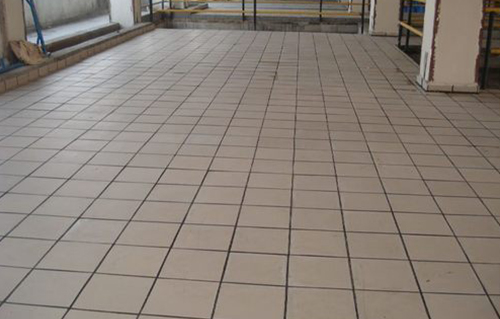
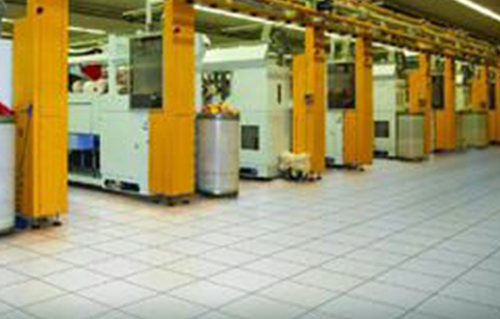
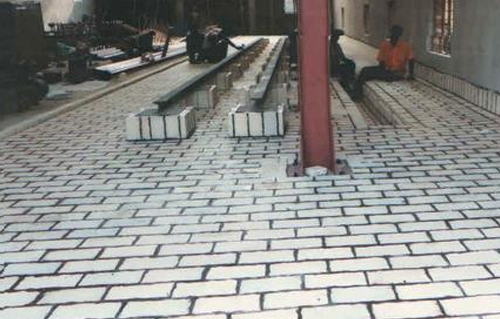
FURANE is a two-part chemical setting Furan base mortar used for bonding acid resistant bricks and tiles. It is impermeable in texture and resistant to a very wide range of chemicals, including strong acids alkalis, oils, solvents and unaffected by temperature upto 170 C. FURANE"C" a 100 % carbon filled mortar is available where resistant to Hydrofluoric acid, fluoride salts and strong hot alkalis are required.
AREA OF APPLICATION:
FURANE is used for acid resistant bricks and tiles lining where maximum chemical resistance is required e.g. dyestuff, rayon, steel, thermal power stations, fertilizers, petro-chemicals, food-pharmaceuticals industries on locations like floors, drains, tanks, reaction & storage vessels, effluent treatment plants etc.
METHOD OF APPLICATION: MIXING:
FURANE is prepared by mixing solution & powder to form a workable mortar. The recommended ratio of mixing is 1 part solution to 3 parts powder by wt. The ratio will vary depending upon ambient temperature and working conditions. Use clean, dry mixing pan. Place appropriate quantity of solution in mix pan, and add powder slowly, mixing thoroughly until completely dispersed. Do not mix more material, then can be used within 20-30 minutes.
APPLICATION:
Ensure that bricks or tiles are clean, dry and stored at ambient temperature. Butter the bricks or tiles with mixed mortar ensuring uniform coverage, with a slight more in the center so no air pockets are formed while its installation. When using as only jointing mortar, it is essential that FURANE is filled to the full depth of the joint. During and after completion of the application, the area must be kept dry and free from any other materials, which can affect setting and curing of FURANE.
Antistatic Tiles
FEATURES:
Surface Electrical Resistance – Conductive <1 Mega Ohm & Dissipative – 1 Mega Ohm to 1 Giga Ohm
Static decay Time – Conductive - <0.5 sec Dissipative - <0.5 sec
Firm & Effective Grounding of Floors
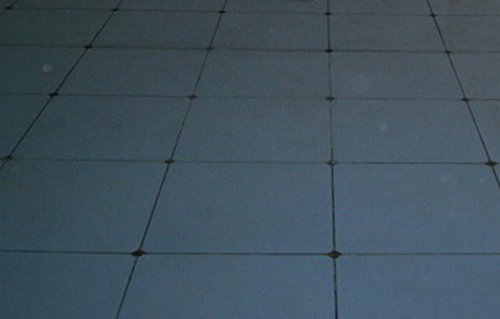
600 mm x 600 mm Matt finish AS Blue Tile
Stain Resistance
BENEFITS:
Static hazard-free area resulting in smooth uninterrupted functioning of critical equipments. Helps in mitigating fire hazard from floor due to static charges
Compliance with critical requirement of such sensitive areas. Static Hazard free area resulting in smooth uninterrupted functioning of critical equipments. Helps in mitigating fire hazards from floors due to static charges.
Assures Anti Static property throughout the service life of product.
Customer benefitted by safe floor to meet industrial safety norms along with excellent aesthetic ambience.
Helps in maintaining good housekeeping norms.
Customer benefitted by the best and only product from ceramic industry which not only offers protection from ESD hazards but also provides excellent service life due to its mechanical properties.
ADVANTAGES:
Surface electrical resistance being the property of material decides the nature of product in terms of its charge conductance. Surface Electrical resistance as per ANSI norms ensures smooth transfer of accumulated static charge to grounding path.
Static decay time as per ANSI norms ensure smooth discharge of accumulated static electricity from the surface.
Vitrified anti- static tiles help provide firm and permanent grounding.
Bigger size offers lesser joints. Matt finish with anti-skid elegant floor in blue shade.
Provides sufficiently good stain resistance property to effective maintain the matt finish floor.Being a glazed vitrified tile, the tile is virtually stain proof
In ceramic tile industry, whereas all products are insulators, Johnson Tiles have developed a special patented product for their customers to address the specific concerns on ESD hazard./p>
Water Proofing
Preparing Surface
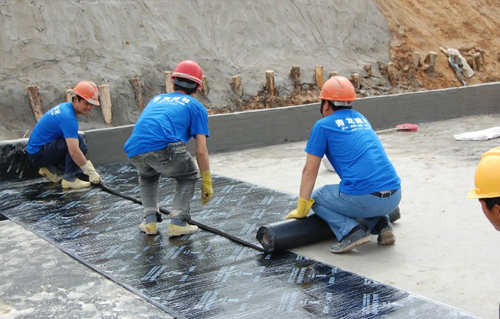
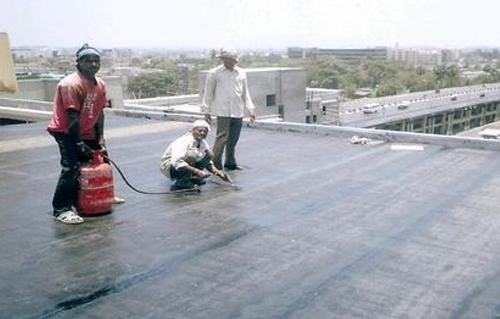
All the terraces requiring to be waterproofed using Newcoat, shall be cleaned thoroughly to remove all loose particles before laying a concrete screed to slope. Concrete screed / brick bat coba shall be laid to slope as per the specifications of engineer / consultant over the terrace slab. The slope shall be maintained at 1:100 or as per the drawing and shall be cured for a minimum period of 15 days.
It shall be finished slightly rough and all the rain water down take pipes shall be fixed as per the drawing or instructions of engineer in charge. Remove water from the terrace after its curing and leave the surface to get dried.
Thorough inspection shall be done to locate / identify any shrinkage cracks. All major shrinkage cracks, if any, shall be filled with polymer-based crack filling compound The 75 mm x 75 mm angle fillet (corner rounding) shall be done using polymer modified mortar at all the horizontal and vertical junctions (roof slab & Parapet wall junction) along with screed it self. Finally, clean the surface once again thoroughly to remove all dust and cement particles.
Primer Application
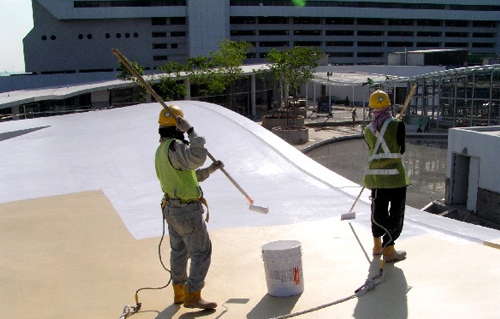
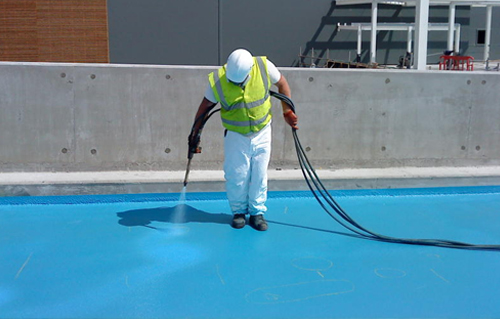
Pre wet the surface prior to application of primer and allow surface water to evaporate. Apply water-based primer (diluted with water in the ratio 2:1) on the cleaned surface @ 12 to 15 sq m/ltr. The priming will enhance the adhesion of the membrane to the substrate and will block the surface pores. Allow the primer coat to dry. The drying will generally depend on the ambient temperature
Vinyl Flooring
ADVANTAGES:
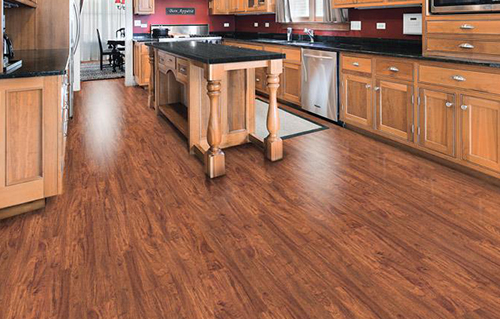
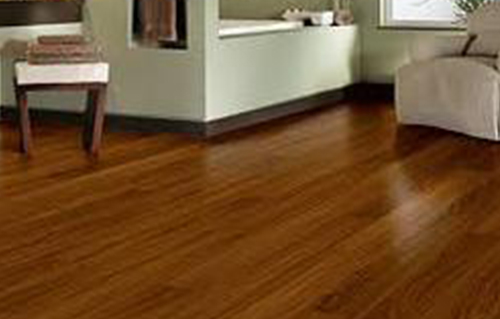
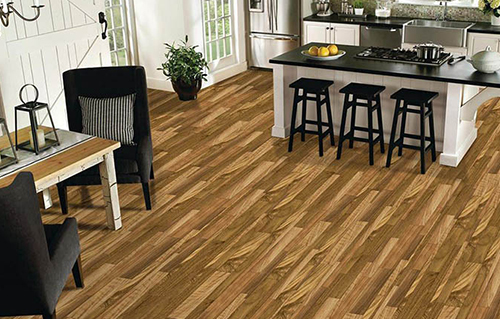
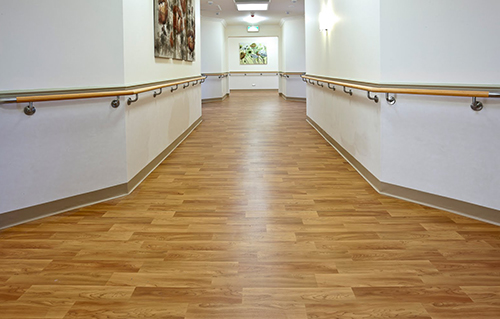
There are a variety of advantages that come with installing vinyl flooring in your home. These are the same tried and true characteristics that have been touted since the 1950s by vinyl flooring retailers and suppliers.
Low maintenance. Vinyl flooring is relatively easy to care for. You have to make sure that grit and dirt are kept swept free to maintain the surface of the floor. Then, you can use a damp mop and an approved vinyl floor cleaner to remove stains. But few flooring options are as easy to care for as vinyl.
Water resistance: A well-installed vinyl floor is almost impervious to water penetration, making this the perfect material for use in a bathroom, kitchen, laundry room, or other high moisture space in the home.
Comfort underfoot. Vinyl does not get cold in the winter and is generally softer beneath your feet than wood or ceramic tile floors Some vinyl sheets and tiles also have a padded underlayer that can make walking on these floors even more comfortable.
Inexpensive. At the low range, vinyl can cost as little as fifty cents per square foot, and most never exceed moderate cost levels. Very high-end premium vinyl materials can cost as much as ten dollars per square foot, though this is still less expensive than premium flooring choices, such as stone. The difference in price of resilient vinyl products is determined by the quality of the material and the design options found in the surface.
Durability. Vinyl is generally considered to be a highly durable material that, if properly installed and maintained, can last upwards of ten to twenty years. However, the quality of the material that you purchase and the way it was manufactured will determine how well your floor lasts over time. Solid vinyl and composite vinyl tiles are homogenous, with colors permeating every layer—a feature that makes them more resistant to damage from scratches. Printed vinyl will be only as durable as the clear wear layer that protects the surface. Fiberglass-reinforced vinyl sheets are extremely durable, while also being pliable and resistant to damage. One advantage of using vinyl tiles is that individual pieces can be easily replaced when they are damaged.
Stain resistance. Printed vinyl tiles and sheets have a clear wear layer that acts as a surface barrier, protecting the floor from stains and spills. These materials are very easy to clean and maintain. Solid and composite vinyl tiles do not have this surface protection and will be more susceptible to stains, requiring occasional stripping and polishing.
Ease of installation. Vinyl tiles and vinyl plank flooring are relatively easy to install, though you do have to ensure that you have a completely dry, level subfloor. It is possible to do this project yourself, but you may want to have a professional prepare the subfloor for you.
EASY TO INSTALL:
DIY requires minimal tools and is simple with peel and stick tiles, inter-locking planks, or full-sheet rolls. Available in wood, ceramic, porcelain, stone and paver styles without the weight of the natural materials.
APPROVED FOR WET AREAS :
No matter your need, there's a water-resistant or waterproof style that is perfect for the bathroom, kitchen, laundry room or basement.
THE LOOK OF WOOD:
New technologies have improved flooring drastically from the older linoleum styles. Now vinyl offers realistic, raised-texture that has the beauty of hardwood without high-maintenance or worry of water spills.
BUDGET FRIENDLY :
One of the smarter ways to update your space at fraction of the cost of natural materials found in traditional floorings. Get the appearance of a high-end floor for much less.
Vitrified & Ceramic Tiles
ADVANTAGES:
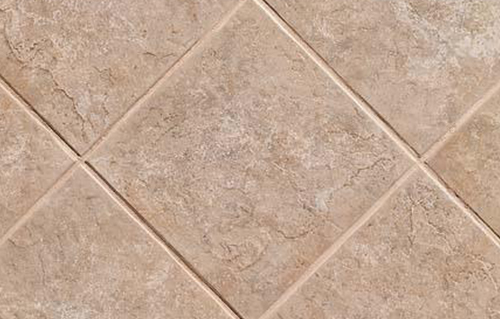
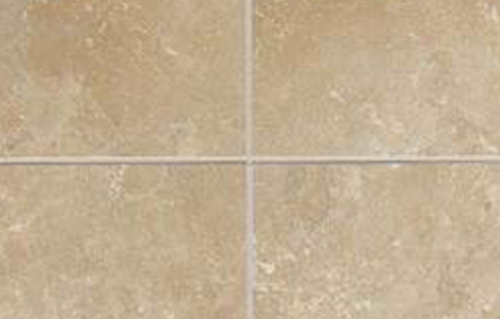
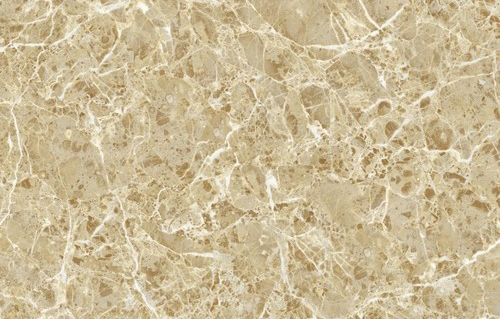
Vitrified tiles are formed by the process of vitrification hence it is a very strong and homogeneous material. Clay is combined with feldspar and quartz , all the materials change to a molten liquid glass sate and then solidify to make vitrified tiles a very hard material.
Vitrified tiles are scratch and stain resistant.
These tiles can be used for both indoor and outdoor application.In the indoors they can be used in residential flooring , wall tiles in kitchens and bathrooms, for outdoors they are highly suitable in high traffic areas.
They have a consistent design , pattern and texture .
Vitrified tiles are easy to lay and are easy to maintain.
Vitrified tiles are stronger than ceramic and porcelain tiles and can be used for high traffic areas and residential areas.
NATURE:
Being prepared at high temperatures the tiles are quite sturdy and temperature resistant and thus can handle traffic without any wear-tear. Additionally, fusing with silica makes it less porous and glossy. This means that the tile can sustain acid and water spills without facing any structural damage.
TYPES :
The following types of vitrified tiles will help you choose a suitable option across a host of interior design ideas.
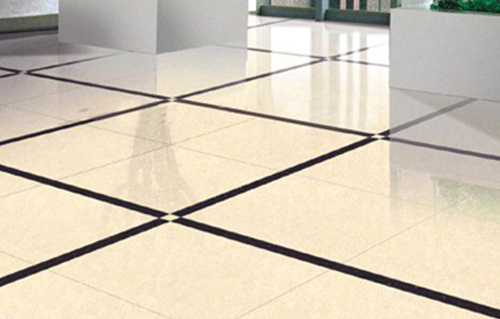
Glazed vitrified– These tiles are given an additional coating of glass and thus look shiny. They are also available in a variety of shapes and patterns.
Polished Vitrified – To make an even smoother surface, the vitrified tiles are polished. These are generally cheaper than the Glazed.
Digital Tiles –These are designed by undergoing a high-resolution digital printing over the regular vitrified tiles. They come in endless options in terms of designs and are comparatively expensive of all varieties.
Double charge – Double charge-vitrified tiles are created by a press that prints patterns on a tile with double layer of pigments (around 3-4 mm thicker than the other tiles). These tiles do not have much design options on offer but have a higher strength and durability when compared to other options.
Full Body – These tiles are pigmented across the entire tile (thickness), thus making them sturdy and less prone to traffic.
MAINTENANCE:
These are easy to maintain. You can use a soft cloth and soap water to remove traces of dust and grease over them. If required, you can also use mild to medium abrasive cleaners over them to remove stains.
Epoxy Flooring
INTRODUCTION:
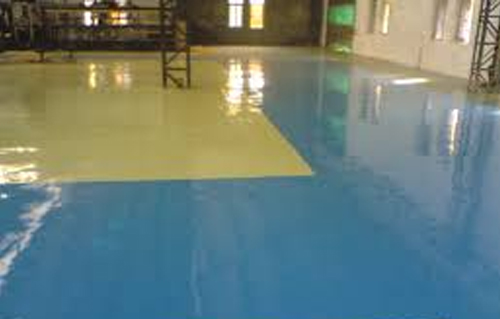
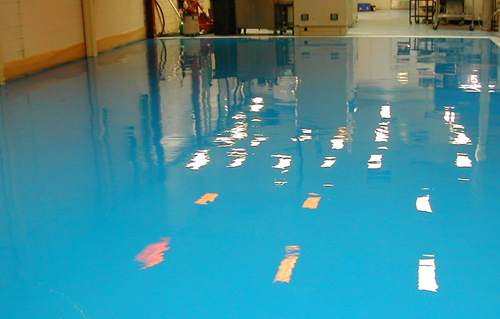
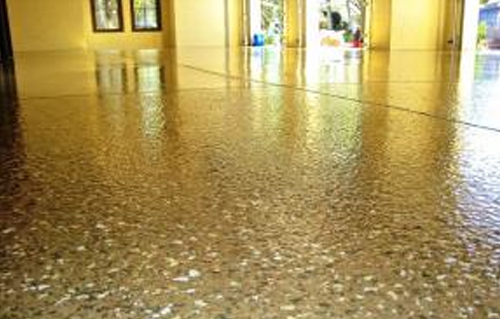
EPOXY COATING (HYB) is a two part high solids solvent free epoxy phenolic resin based coating system designed for hard wearing, smooth surface finish for floors, walls and on steel structures. Nonskid surface finish can be achieved on floor, if required.
FEATURES:
- Hard Wearing
- Non Dusting
- Excellent Surface Finish
- Non Smelling
- Good Aesthetics
- Highly Chemical Resistant
AREA OF APPLICATION:
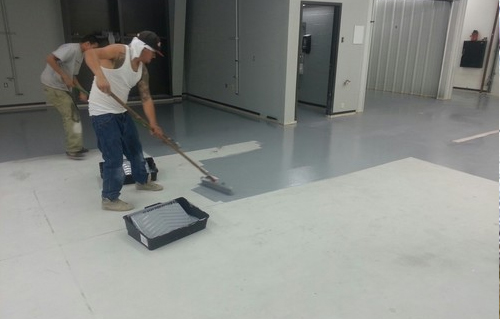
- Stir well before mixing Part A and Part B and mix in the prescribed ratio
- Apply one coat of EPOXY primer on the clean and dry surface
- EPOXY COATING (HYB) should be applied on the surface by brush or roller within 24 hrs. After application of primer coat it should be allowed to air dry for min. 4 hrs. Preferable in a dust free atmosphere
- Apply min. 2 coats with the intercoat interval of 6-8 hrs
RECOMMENDED USES:
- Food & Pharmaceutical
- Work Shop
- Clean Room Application
- Chemical Resistant Coating for Concrete& Steel
- Chemical Resistant Coating for Concrete& Steel
- Petrochemical, Fertilizer plants
Kota Stone, Granite & Mandana Stone
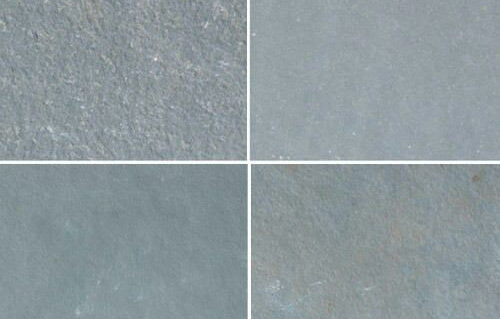
ADVANTAGES OF KOTA STONE:
It is hard, non-porous and a homogeneous material which can be widely used in different areas.
It is not water absorbent and is anti-slip hence is the most perfect and hygienic flooring for humid areas.
It is very strong and long lasting.
The stone can be polished again if a fresh appearance is desired.
Kota is resistant enough to fit to any climatic conditions – dry, humid or cold.
It forms a heavy cum strong base for kitchen countertops. In many cases granite or marble slab counters are fixed on top of the Kota stone base.
It is economical, easily available and most durable natural stone available.
It is a very good reflector of heat making it comfortable to walk on.
They are available in slabs and tiles form and extremely cost effective as compared to other stones.
It is economical, easily available and most durable natural stone available.
MANDANA STONE:
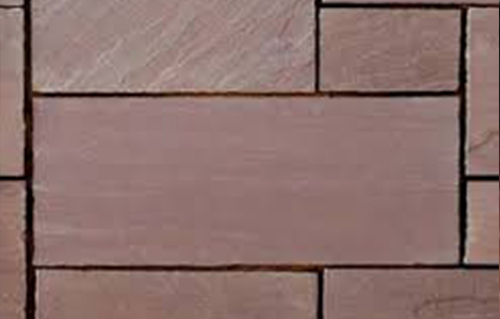
Being the reckoned names in the industry, we offer an exceptional range of Mandana Stones attar re quality assured and are delivered in different standard sizes. They are dimensionally accurate in nature and have smooth surface finishing. Mandana Stones are used for construction purposes and is delivered in well-defined time frame.
FEATURES:
Reliable
High in demand
Cost effective
APPLICATION:
Pathways
Corridors
Balconies
Commercial buildings
Exteriors
Driveways
Chemical Factory